
Table of Contents
The Ultimate Appliance Repair Lead Conversion Guide
Appliance Repair Lead Conversion Guide
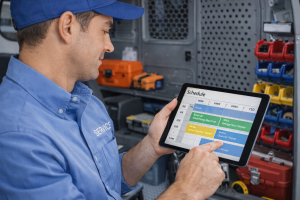
Getting clicks on your Google Ads is easy. Getting quality leads that turn into paying customers and come back year after year? That’s where most appliance repair companies struggle.
You’re spending money on ads. You’re getting calls. But half of them are price shoppers who never book, or they disappear after one job. You need a system that turns ad traffic into customers who trust you, book with you, and refer their neighbors.
This guide walks you through the complete process of converting ad leads into loyal customers for your appliance repair business. We’ll cover what happens between the click and the callback, and how to build relationships that generate repeat revenue.
Why Most Appliance Repair Ad Leads Don’t Convert
You run Google Ads. The phone rings. But the conversion rate is inconsistent, and you’re not sure why.
Here’s what usually goes wrong:
Slow response times kill momentum. A homeowner clicks your ad because their refrigerator is leaking or their dryer won’t heat. They need help now. If you don’t answer within five minutes, they’ve already called two other companies. Speed to lead is the single biggest factor in whether an ad lead converts. Research shows that responding within one minute increases your contact rate by up to 391% compared to waiting even 10 minutes.
Your first conversation lacks structure. The homeowner asks about pricing. Your dispatcher gives a vague answer or says “it depends.” The call ends without a booked appointment. You need a script that qualifies the lead, sets expectations, and gets them on the schedule without sounding pushy or evasive.
You’re not tracking where leads come from. You know Google Ads generates calls, but you don’t know which keywords, which ad groups, or which landing pages drive the best customers. Without attribution, you’re flying blind. You can’t optimize what you can’t measure.
There’s no follow-up system. The lead doesn’t book immediately. You move on. They forget about you. A simple follow-up sequence (automated or manual) can recover 20-30% of leads that didn’t convert on the first call.
You treat every job as a one-time transaction. You fix the washer, collect payment, and leave. No follow-up email. No request for a review. No reminder about their other appliances. You’re leaving money on the table by not building a relationship.
If any of these sound familiar, you’re not alone. Most appliance repair companies focus on getting more leads instead of converting the ones they already have. Fixing your conversion process is faster and cheaper than buying more traffic.
The Lead-to-Loyalty Framework for Appliance Repair
Turning ad clicks into loyal customers requires a system, not luck. Here’s the framework that works:
Stage 1: Immediate Response and Qualification
When a lead comes in from Google Ads, you have a small window to make contact. Here’s what needs to happen in the first five minutes:
Answer the phone or respond to the form submission immediately. If you can’t staff phones 24/7, use call tracking software that sends leads to your cell, triggers an auto-reply text, or routes to an answering service trained on your business. The goal is acknowledgment within 60 seconds.
Qualify the lead with a simple framework. Not every caller is a good fit. Ask:
- What type of appliance and what brand?
- What’s the issue or symptom?
- How urgent is the repair?
- Are you the homeowner or decision-maker?
- What’s your location and availability?
This takes 90 seconds and tells you whether the lead is worth pursuing. If they’re shopping five companies for a $50 fix on a 15-year-old appliance, you can politely decline or set expectations. If they need a same-day repair on a high-value appliance, you prioritize.
Set clear next steps. Every call should end with an appointment booked or a follow-up scheduled. Use phrases like:
- “I can get a technician to you tomorrow between 10 and 12. Does that work?”
- “I’ll text you a confirmation in the next two minutes with our technician’s name and photo.”
- “If anything changes, here’s my direct number.”
Clarity and confidence close more leads than discounts.
Stage 2: Pre-Appointment Communication
The time between booking and the actual service call is when leads go cold. Stay top of mind with a simple communication sequence:
Send an immediate confirmation. Text or email within two minutes of booking. Include:
- Appointment date and time window
- Technician name (if assigned)
- What to expect during the visit
- Your contact info if they need to reschedule
Send a reminder 24 hours before. A short text works: “Hi [Name], this is [Your Company]. Just confirming your appliance repair appointment tomorrow at 10 AM. Reply YES to confirm or call us at [Number] to reschedule.”
Send a heads-up when the technician is on the way. “Our technician Mike is 15 minutes away. Here’s his photo: [link]. Call us at [Number] with any questions.”
This level of communication does two things. It reduces no-shows by 30-40%, and it makes you look more professional than competitors who just show up unannounced.
Stage 3: The Service Call (Where Trust Is Built or Lost)
Your technician is your closer. How they show up, communicate, and handle the repair determines whether this customer becomes loyal or one-and-done.
Show up on time and look the part. Branded uniform, clean van, booties for the home. Small details signal professionalism.
Diagnose thoroughly and explain clearly. Walk the customer through what you’re seeing. Use plain language. Show them the broken part if possible. Explain what caused the issue and what you recommend.
Example: “Your dryer’s heating element is burned out. This usually happens when lint builds up and restricts airflow. I can replace the element today, and I’ll also clean out the vent line so this doesn’t happen again.”
Present options, not ultimatums. If the repair is expensive, offer context. “This repair will run about $280. Your dryer is seven years old, which is middle of its lifespan. Most customers in your situation choose to repair because it’s a solid unit and you’ll get another five to eight years out of it. But if you were thinking about upgrading anyway, I can help you think through that too.”
You’re not pushing. You’re advising. That’s the difference between a transaction and a relationship.
Ask for feedback before you leave. “How did everything go today? Any questions I didn’t answer?” This opens the door for concerns and shows you care about their experience.
Stage 4: Post-Service Follow-Up
Most appliance repair companies stop here. That’s a mistake. The days and weeks after the service call are where loyalty is built.
Send a thank-you message within 24 hours. A simple text or email: “Hi [Name], thanks for trusting us with your dryer repair yesterday. If you have any issues or questions, call us directly at [Number]. We’re here to help.”
Request a review within 48-72 hours. Timing matters. Ask while the positive experience is fresh. Use a tool that sends a review request via text with a direct link to your Google Business Profile. Make it easy.
Example message: “Hi [Name], we’re glad we could help with your dryer. If you have a moment, we’d appreciate a quick review. It really helps other homeowners find us: [link].”
Add them to a long-term nurture sequence. This doesn’t have to be complicated. A simple email or text every 3-6 months keeps you top of mind:
- Seasonal maintenance tips (clean your refrigerator coils before summer, check your dryer vent before winter)
- Reminders about other appliances in their home
- Special offers for repeat customers
The goal isn’t to spam them. It’s to stay relevant so when their dishwasher starts leaking in six months, you’re the first call they make.
Stage 5: Building Loyalty and Referrals
Loyal customers are worth 5-10x more than one-time customers. Here’s how to turn satisfied customers into repeat buyers and referral sources:
Create a simple referral program. Offer a small incentive for referrals that book. Example: “$25 off your next service for every friend or neighbor you refer who books with us.” Promote it in your follow-up emails and on your website.
Offer priority scheduling for repeat customers. Let them know: “As a returning customer, you get priority scheduling and a 10% discount on labor for your next repair.” This creates a VIP feeling without cutting into margins significantly.
Track customer lifetime value. Use your CRM or a simple spreadsheet to see which customers have used you multiple times. Reach out personally to thank them. Send a handwritten note or a small gift card. It costs $5 and generates goodwill that leads to more referrals.
Stay visible in your local community. Sponsor a little league team. Participate in local events. Show up as a real business that cares about the community, not just a Google Ads account. This builds brand recognition and trust that makes your ads more effective.
The Technology and Tools You Need

You don’t need a massive tech stack to execute this framework, but a few key tools make everything easier and more consistent:
Call tracking software. Use a platform like CallRail or CallTrackingMetrics to track which Google Ads keywords and campaigns generate calls. This data tells you what’s working and where to invest more budget.
CRM or lead management system. You need a way to capture leads, track follow-ups, and see customer history. Options like Jobber, Housecall Pro, or ServiceTitan are built for service businesses and integrate with your scheduling and invoicing.
Automated text and email sequences. Tools like Podium, Birdeye, or even Zapier + Google Sheets can automate confirmations, reminders, and follow-ups. This removes the manual work and ensures nothing falls through the cracks.
Google Business Profile optimization. Your GBP is often the first thing customers see after clicking your ad. Keep it updated with accurate hours, photos of your team and trucks, and recent reviews. Respond to every review (good or bad) within 24 hours.
Reputation management platform. Make it easy to request and monitor reviews. The more five-star reviews you have, the higher your conversion rate on ad traffic. Social proof matters.
You don’t need all of these on day one. Start with call tracking and a CRM. Add automation as you grow.
Common Mistakes That Kill Lead Conversion
Even with a solid framework, small mistakes can tank your results. Here’s what to avoid:
Sending ad traffic to your homepage. Your homepage tries to do too much. Send Google Ads traffic to a dedicated landing page focused on one thing: getting the lead to call or fill out a form. Include your phone number prominently, a clear headline, trust signals (reviews, years in business, certifications), and a simple form.
Using generic ad copy. “Appliance Repair Services” doesn’t cut it. Be specific. “Same-Day Washer Repair in [City]” or “Fix Your Broken Dryer Today” speaks directly to the homeowner’s problem and urgency.
Ignoring negative keywords. If you’re getting clicks from people searching for DIY repair tutorials or appliance parts, you’re wasting money. Build a negative keyword list that excludes terms like “how to,” “DIY,” “parts,” “manual,” and “troubleshooting.”
Not tracking conversions properly. Set up conversion tracking in Google Ads so you know which campaigns and keywords drive actual calls and form submissions. If you’re only tracking clicks, you’re optimizing for the wrong metric.
Forgetting about mobile experience. Most appliance repair searches happen on mobile. Your landing page needs to load fast, display correctly on a phone, and make it easy to tap a button to call. Test it yourself.
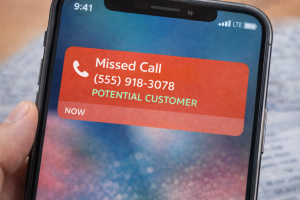
Failing to follow up on missed calls or form fills. If someone called and you missed it, call them back within five minutes. If someone filled out a form, respond immediately. Every minute you wait, your conversion rate drops.
How to Measure What’s Working
You can’t improve what you don’t measure. Track these key metrics to understand your lead-to-loyalty performance:
Cost per lead (CPL). How much are you spending on Google Ads to generate one lead? This varies by market, but for appliance repair, $30-$60 per lead is typical.
Lead-to-appointment conversion rate. What percentage of leads turn into booked appointments? Aim for 50-70%. If you’re below 50%, your response time or qualification process needs work.
Appointment-to-customer conversion rate. What percentage of appointments turn into paying customers? This should be 70-85%. If it’s lower, your technicians may need training on communication and closing.
Customer lifetime value (CLV). How much revenue does the average customer generate over their lifetime? Track repeat customers and referrals to calculate this. For appliance repair, a loyal customer might be worth $500-$1,500 over several years.
Review acquisition rate. What percentage of completed jobs turn into Google reviews? Aim for 20-30%. If you’re below that, your review request process needs to be easier or more timely.
Repeat customer rate. What percentage of customers come back for a second job within 12-24 months? This tells you how well your follow-up and loyalty strategies are working.
Use these numbers to identify weak points in your process and focus your improvements where they’ll have the biggest impact.
Turning Ad Leads Into Long-Term Revenue
Most appliance repair companies treat Google Ads as a lead generation tool. That’s only half the picture. The real value comes from what you do with those leads after the click.
Speed matters. Systems matter. Communication matters. Trust matters.
When you respond fast, qualify clearly, communicate consistently, deliver excellent service, and follow up strategically, you turn one-time ad clicks into customers who call you first, leave five-star reviews, and refer their neighbors.
That’s how you build a sustainable, profitable appliance repair business that doesn’t depend on constantly spending more on ads.
If you’re ready to build a system that turns your Google Ads investment into predictable revenue and long-term customer relationships, let’s talk. At Appliance Marketing Pros, we specialize in helping appliance repair companies optimize every step from click to callback. Our AMPRank system combines local SEO, Google Ads management, and reputation tracking designed specifically for businesses like yours.
Schedule a free strategy call with our team. We’ll review your current lead flow, identify gaps in your conversion process, and show you exactly how to turn more ad leads into loyal customers.
About The Author


